Bringing Creativity Offline: How to Implement a Structured Afterschool Art Curriculum
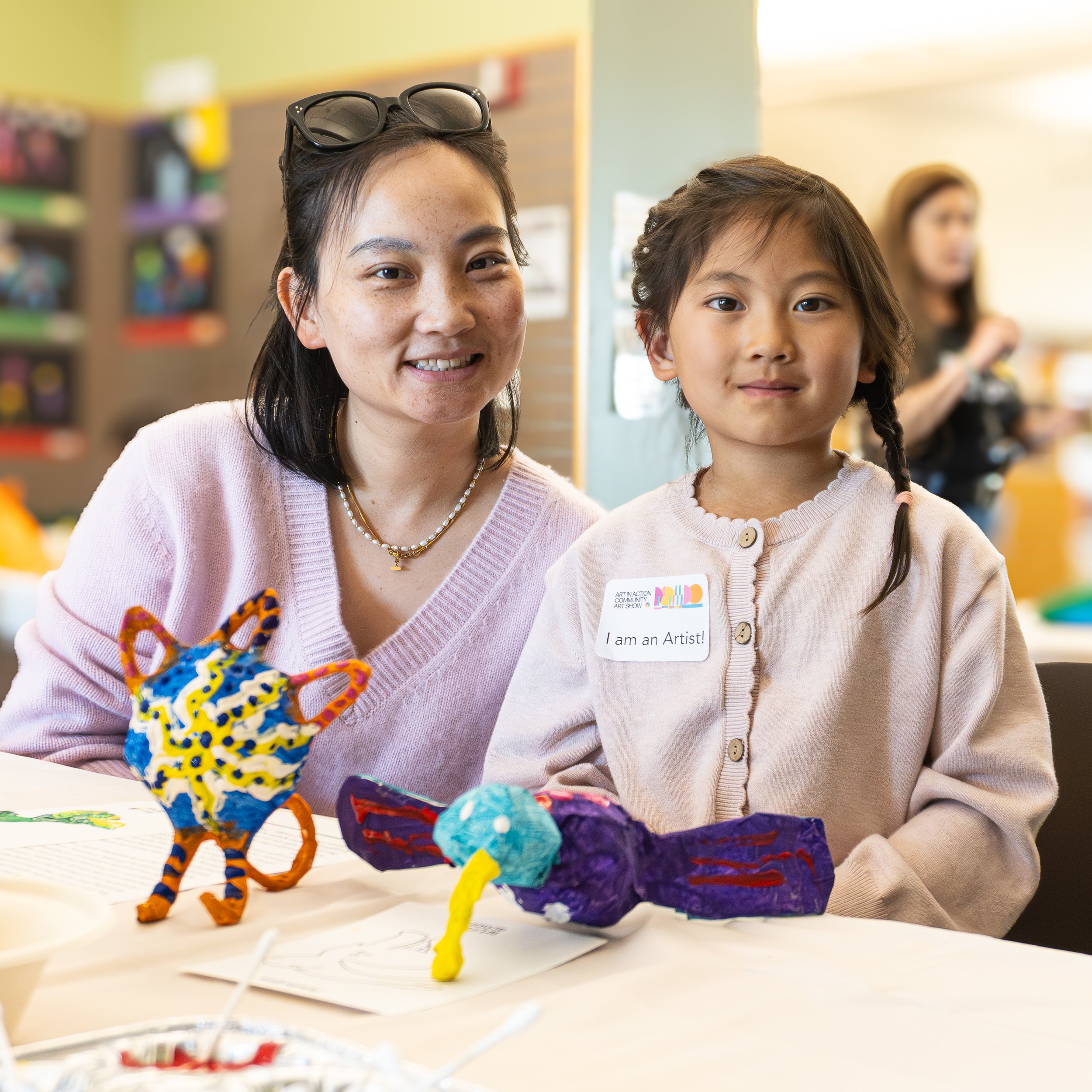
Afterschool programs are the perfect sandbox for creativity. They give kids a break from standard test prep and a chance to dive into tactile, hands-on learning. However, many program directors face a major challenge: transitioning from unstructured "free-drawing" or messy, random crafts to a meaningful, sequential art education.
Without a plan, art time can quickly devolve into chaos, wasted supplies, and stressed-out staff. Here is a practical roadmap to implementing a structured art curriculum that keeps students engaged and makes management seamless.
1. Define Your Core Learning Objectives
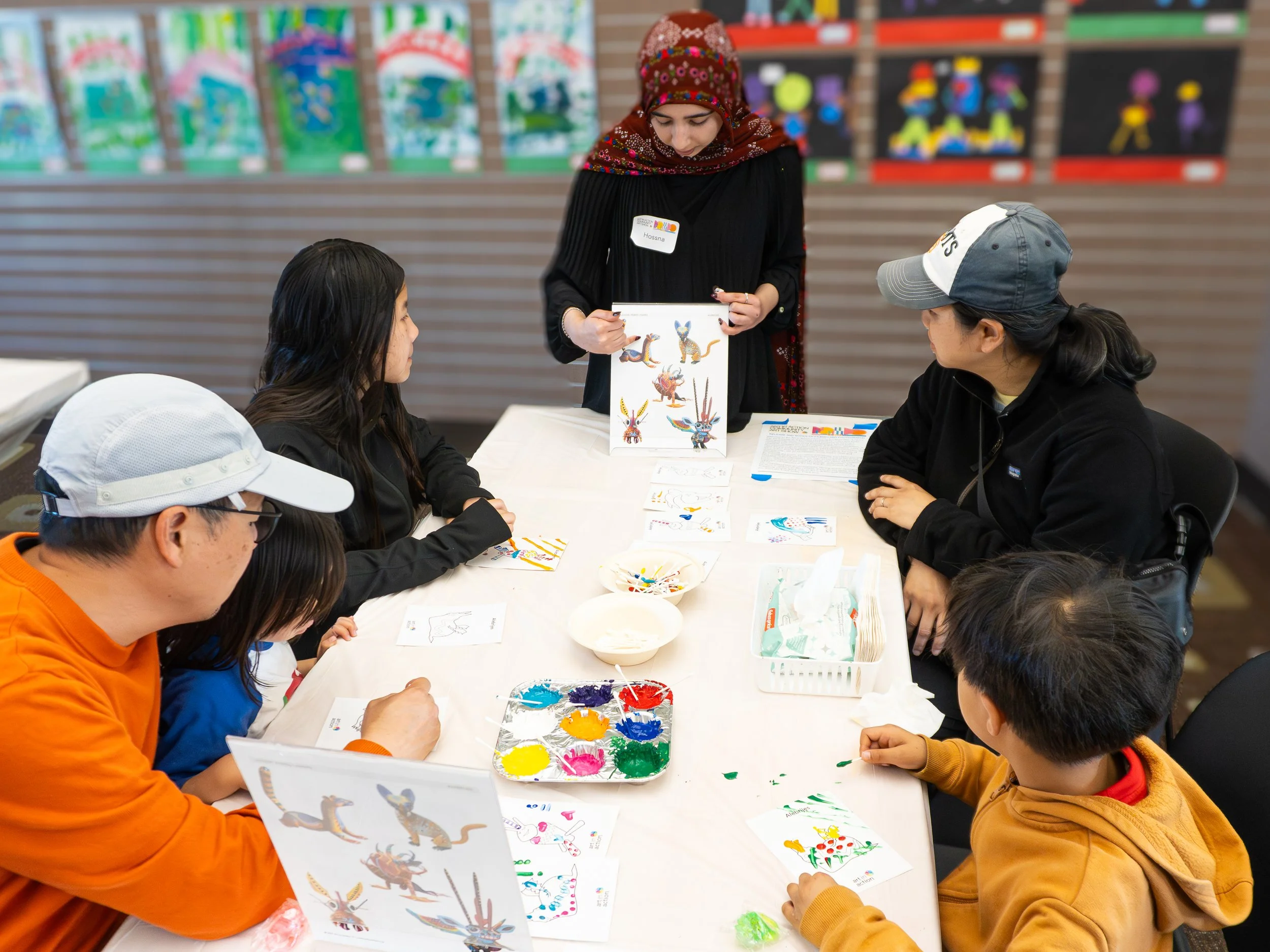
A structured curriculum does not mean rigid rules, it means a clear progression. Decide what you want your students to learn over a semester or a school year.
Introduce foundational concepts: Focus on basic elements of art like line, shape, color theory, texture, and space.
Vary the mediums: Balance drawing, painting, collage, and sculpting across different weeks so kids don’t get fatigued by one material.
Connect art to history or culture: Frame projects around famous artists (like Frida Kahlo or Vincent van Gogh) or cultural traditions to build cross-curricular value.
2. Streamline Supply Management
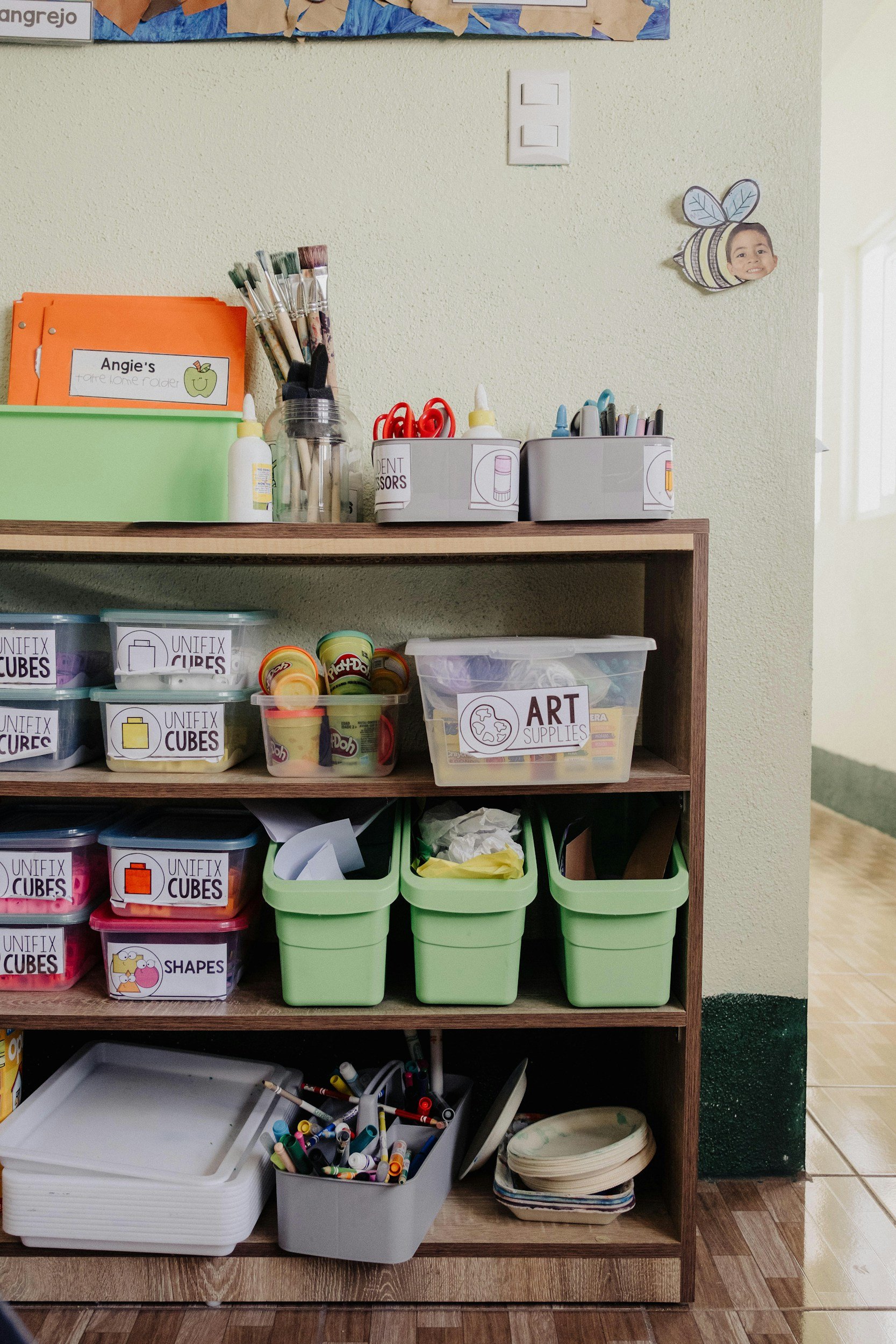
One of the biggest hurdles in afterschool art is the prep and cleanup. Since afterschool schedules are usually tight, you need an organized system to protect your time.
Create individual or table bins: Pre-pack markers, scissors, glue sticks, and brushes so staff can pass them out in less than two minutes.
Establish a "Clean-Up Routine" song or timer: Allocate the last 7-10 minutes strictly for washing brushes and wiping tables. Making cleanup a structured part of the lesson prevents staff burnout.
3. Provide Scaffolding for Your Staff
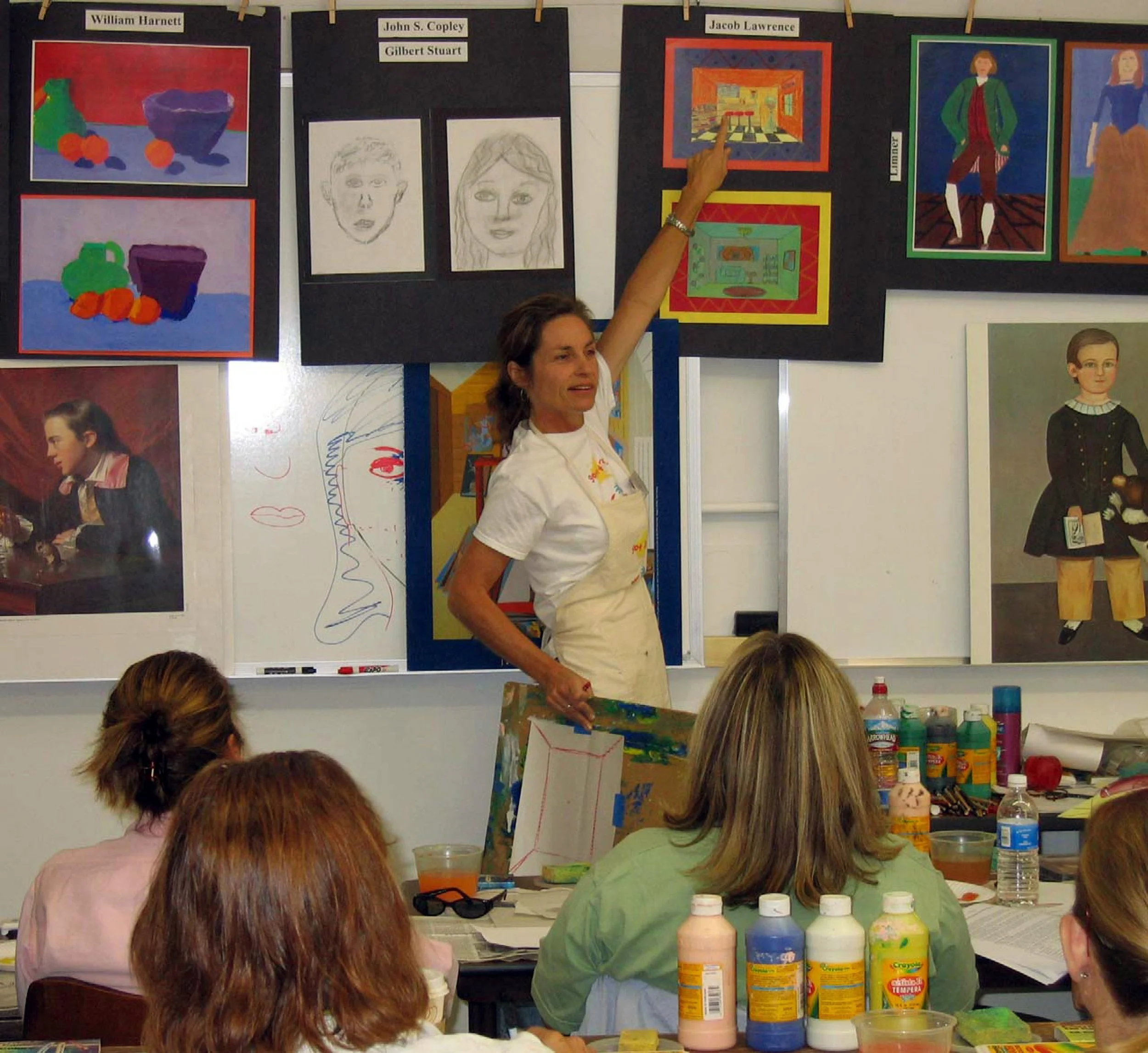
The reality of afterschool programs is that your site coordinators, college interns, or part-time supervisors are rarely certified art teachers. To make a structured curriculum work, you must provide them with lessons they feel confident leading.
Visual step-by-step guides: Give leaders written steps/examples or short videos showing how a project should look at each stage.
Discussion prompts: Include questions your staff can ask to spark reflection (e.g., "How does the use of blue tones change the mood of your painting?").
The Secret to Making It Even Simpler
Building a structured curriculum from scratch: designing lessons, alignment charts, and supply lists can take hours of administrative prep. If your team is short on time or does not have a dedicated art specialist on staff, you do not have to reinvent the wheel.
Our Beyond the Canvas program from Art in Action is specifically built to solve this exact problem. It offers a minimal-prep, turnkey curriculum that lets anyone confidently supervise or teach an engaging afterschool art program. Every lesson is fully mapped out, meaning your staff can open the box and start teaching right away.
Want to see how it works for your program?
Grab a free sample lesson today by filling out the quick form on our Beyond the Canvas page.