How to Contribute to Underfunded Art Programs
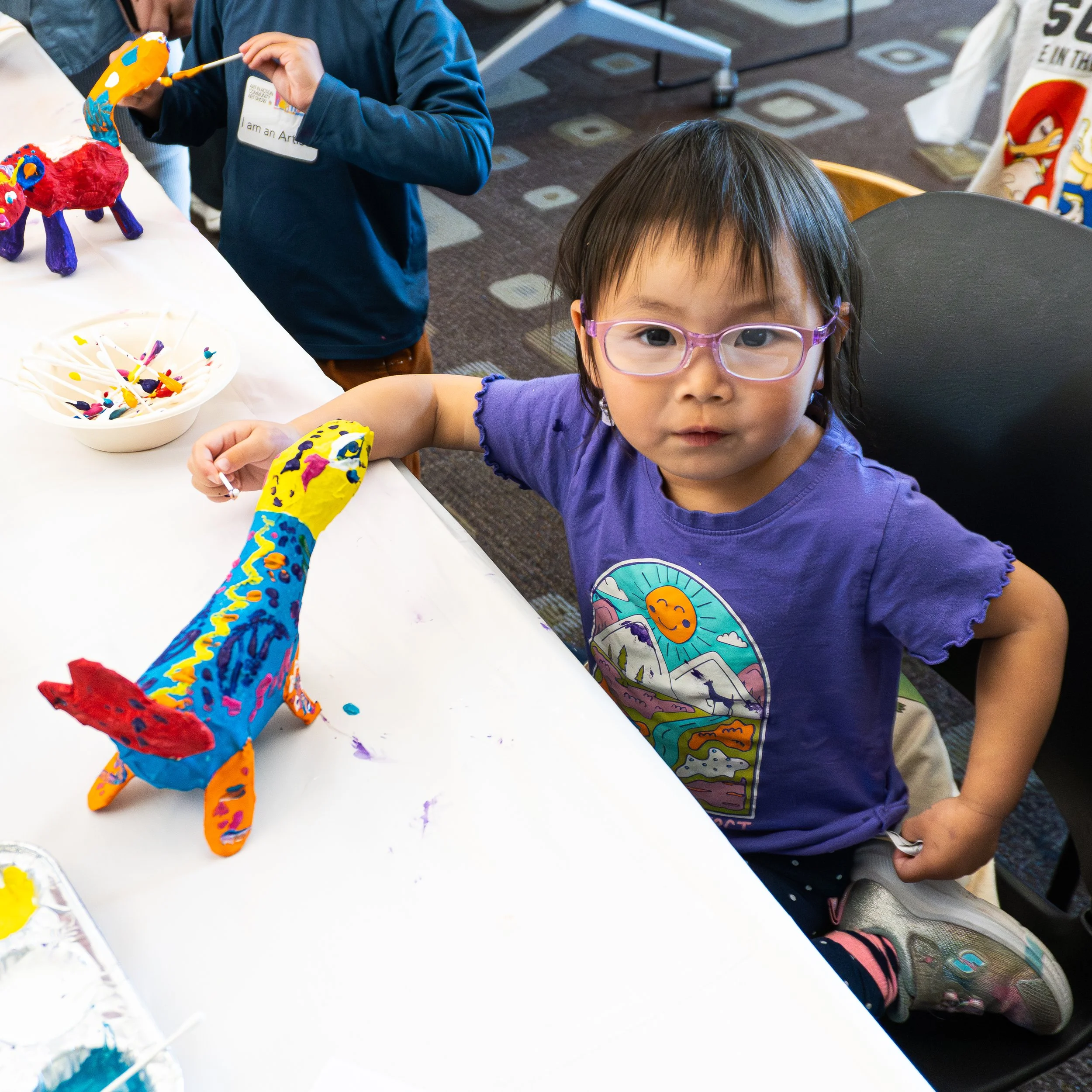
Contributing to organizations that provide art education to underserved communities is one of the most effective ways to foster creativity, mentorship, and equity in education.
Whether you want to give time, money, or professional expertise, here are five practical ways to make a difference:
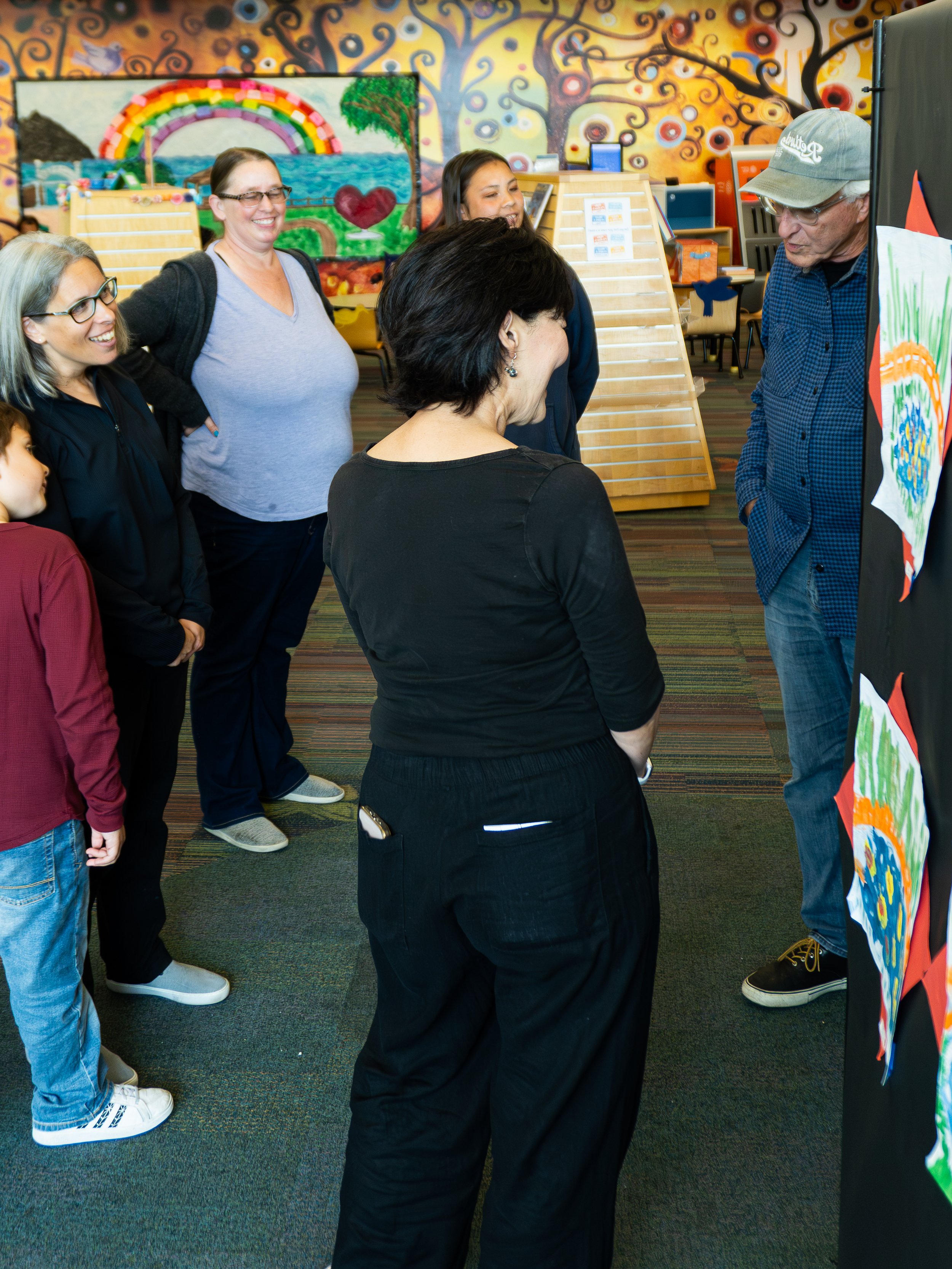
Financial Donations: Direct monetary gifts allow organizations to sustain ongoing classes, fairly compensate teaching artists, and absorb overhead costs.
Volunteer Teaching & Mentorship: Many non-profits actively recruit local artists, art students, and retired educators to lead specialized workshops or ongoing community classes.
Art Supply Drives & Kit Assembly: Organizations frequently accept raw materials or need volunteers to assemble pre-packaged art kits for distribution to low-income classrooms and shelters.
Skills-Based Pro Bono Support: If you have expertise in accounting, legal counsel, graphic design, or PR/marketing, offering your services pro bono helps these organizations scale without administrative financial strain.
Advocacy & Grant Writing: You can assist by identifying grant opportunities, writing proposals, setting up corporate matching programs, or hosting community fundraisers to sponsor local events.
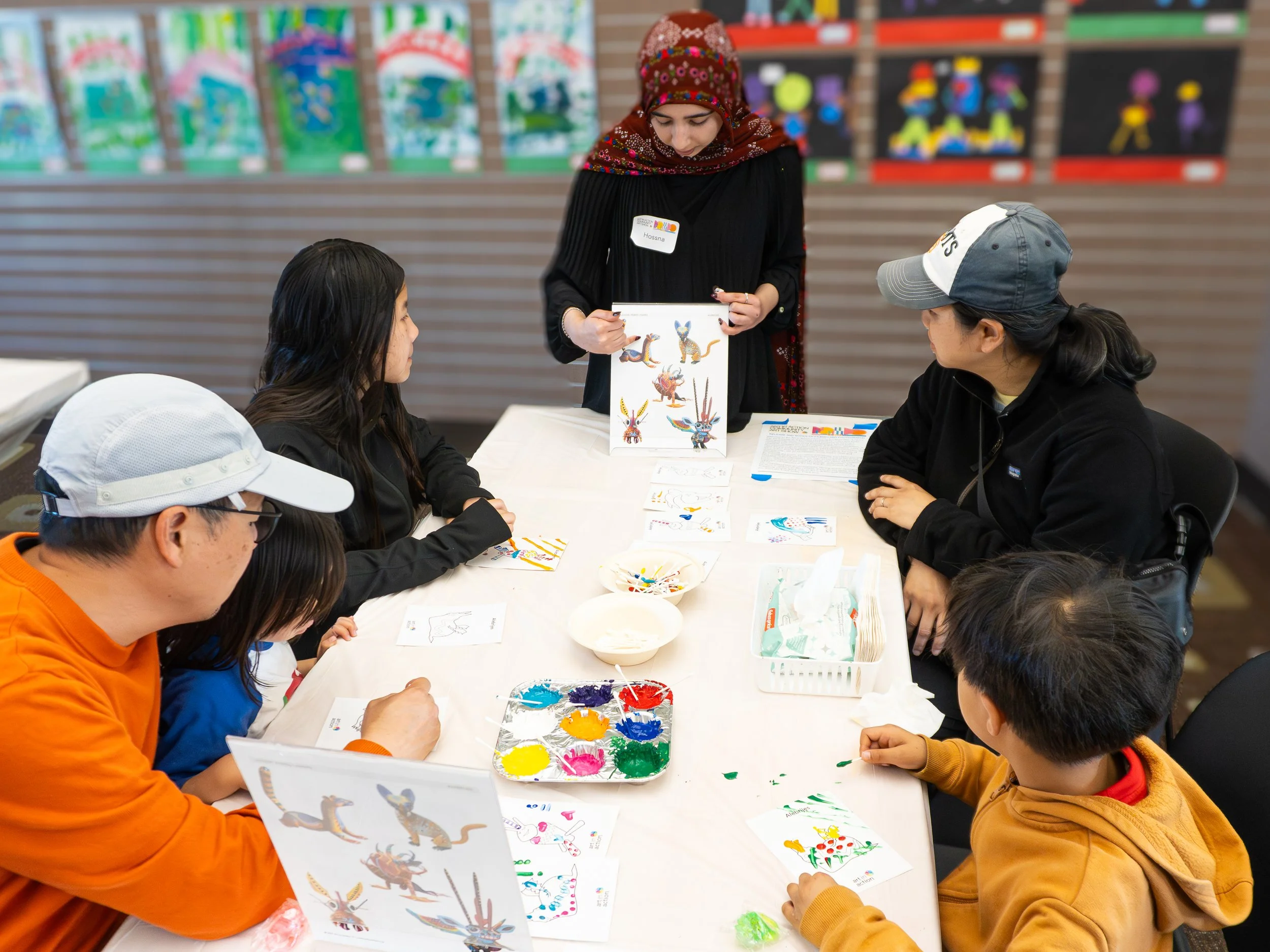
Volunteer: Get hands on and volunteer with Art in Action
Your Next Steps: How to Get Started
Search Locally: Look up community arts non-profits or youth afterschool programs near your ZIP code to see who is operating in your immediate area.
Audit Your Resources: Decide whether your current capacity allows for a financial gift, a physical supply donation, or a commitment of volunteer hours.
Evaluate for Impact: Before committing, review the organization’s recent impact reports or financial transparency to ensure your contributions directly benefit the students.