Keeping the Arts Alive: Navigating Federal Cuts in Title I Schools
The headlines are heavy: the Department of Education is looking at significant spending shifts, and for many Title I schools, this creates a cloud of uncertainty. When federal budgets tighten, "non-core" subjects like music, visual arts, and drama are often the first to see the shears.
But we know the truth: Art isn't an extra; it’s an essential. It’s where many students find their voice, their confidence, and their reason to show up every morning. If the federal pipeline is narrowing, it’s time to build our own.
Here are five ways we can work together to keep the arts thriving in our classrooms:
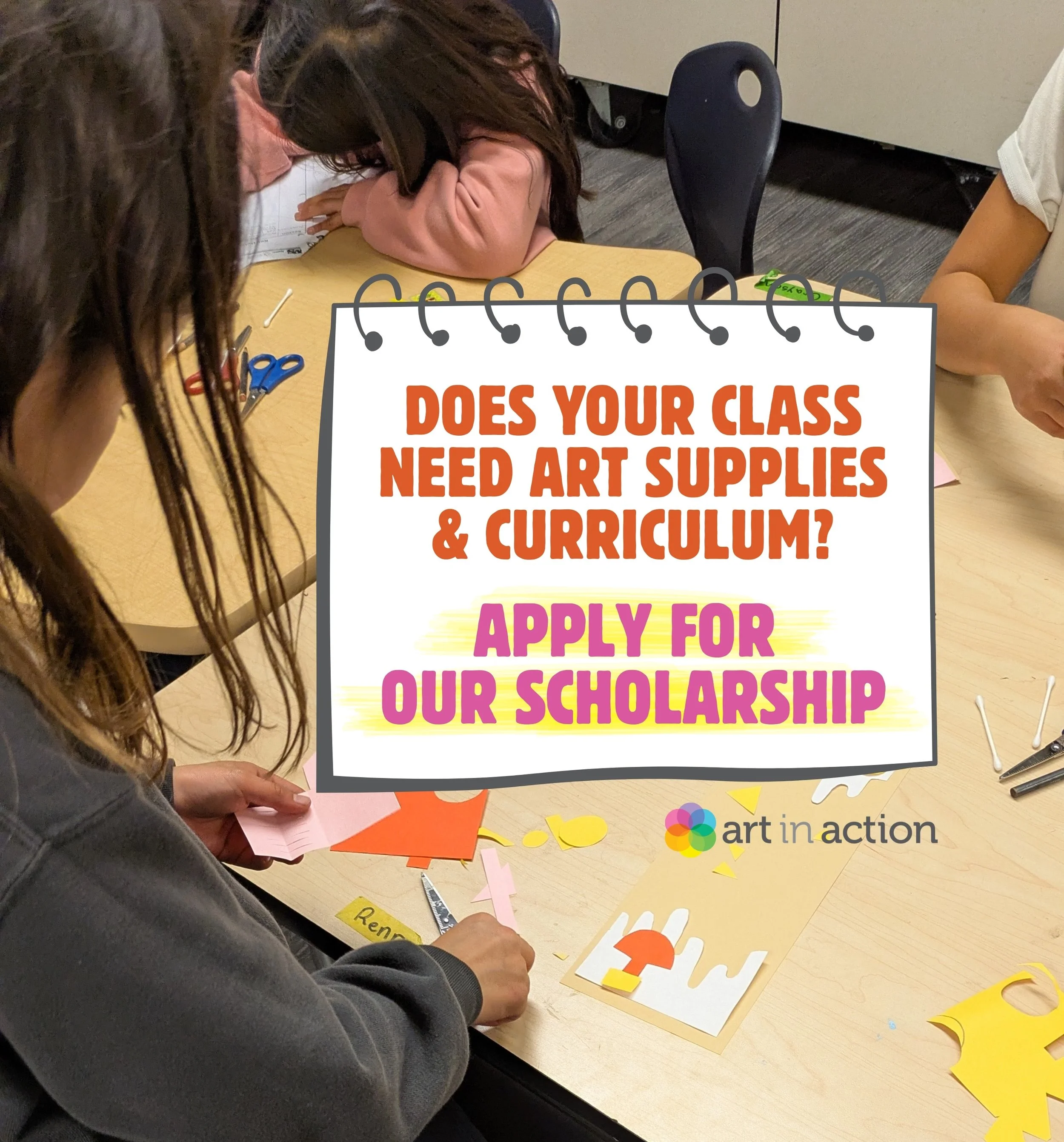
1. Apply for Our Scholarship
We believe financial barriers should never stand between a child and a paintbrush. We offer dedicated scholarships specifically for students in Title I schools to cover supplies, or after-school program fees.
Action Step: Check our Scholarship Page for deadlines (April 30, 2026) and simple application instructions.
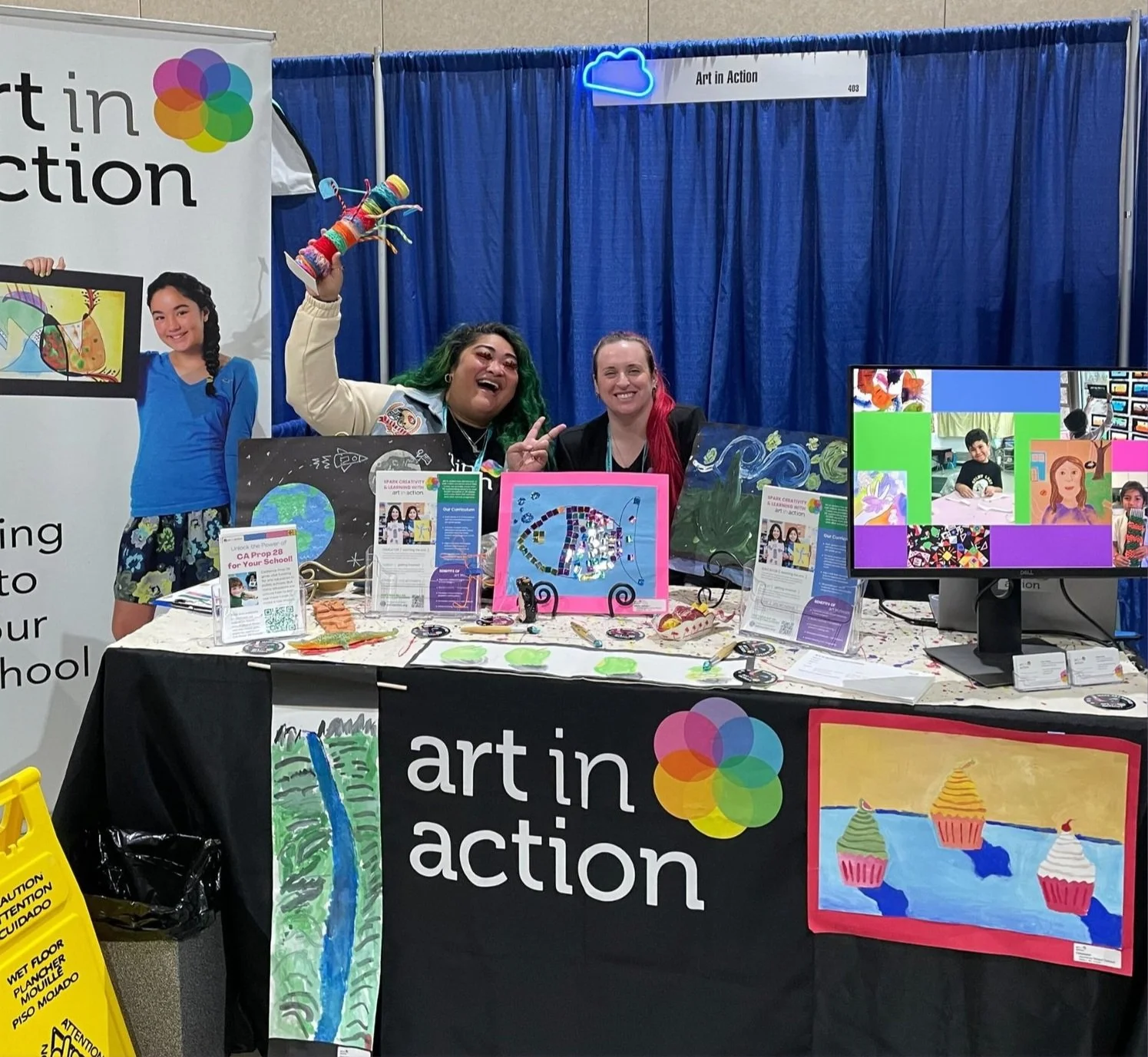
2. Let’s Talk
(We Want to Support You)
Sometimes the best solutions start with a conversation. We aren't just curriculum vendors; we are your partners. If your school is facing a specific program cut, reach out to us. We want to hear what your students need so we can tailor our support to ensure every child has access to the arts.
Action Step: Book a call or email us—we’re ready to listen.

3. Explore State & Local Grant Funding
While federal news can be daunting, many states and municipalities are stepping up to fill the gaps. Organizations like State Arts Councils or local Education Foundations often have "Arts in Education" grants specifically earmarked for underfunded districts.
Pro-Tip: Look for "Impact Grants" that focus on social-emotional learning through the arts.

4. Approach Local Businesses for Micro-Grants
Your local coffee shop, hardware store, or law firm has a vested interest in the community’s children. Many small businesses set aside a yearly budget for community "micro-grants" ($500–$2,000) that can easily fund a new set of instruments or a semester of art supplies.
Action Step: Draft a "One-Pager" showing exactly how their donation will impact local students.

5. Community Fundraisers
Never underestimate the power of a community that cares. From "Art Walks" where student work is auctioned to "Talent Show" ticket sales, fundraisers do more than raise money; they build public investment in the school’s culture.
Try This: A "Sponsor-a-Student" campaign where locals can cover the cost of one student's art kit for the year.
The Bottom Line: Federal budgets may change, but our commitment to our kids doesn't. Let’s get creative, stay vocal, and make sure the music keeps playing.
How has your local school been impacted by recent budget talks, and which of these funding routes feels most reachable for your community right now?